How Katy turned her experience with endometriosis into valuable support for others
This International Women's Day, we're sharing Katy's story. After years of living with endometriosis - a condition that impacts women and people assigned female at birth - Katy channelled her experience into supporting others, first as a Shout Volunteer, and then by founding Endo Buddies.
International Women's Day is all about empowering women. Why is that so important to you?
As a woman living with an incurable condition, we're often made to feel irrational, dramatic or hysterical. Sadly, not a lot has changed when it comes to women's health and how seriously we're taken.
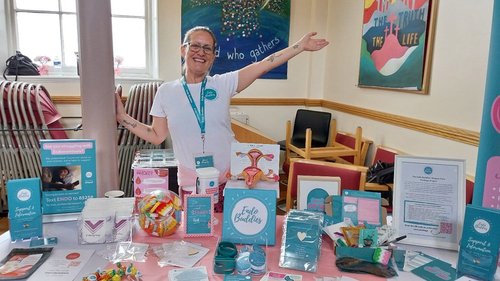
At Endo Buddies, empowerment means validating people's experiences, amplifying their voices, and making sure they feel supported rather than dismissed. We want to empower women - and everyone affected by endometriosis - to trust themselves, speak up, and know they deserve care, compassion and support.
Empowerment also means working together. Endo Buddies works collaboratively with other brilliant charities and community organisations like The Menstrual Health Project, Endometriosis South Coast and Cysters, because our voices are louder when we come together.
Endometriosis affects so many aspects of life, and tackling it requires community, collaboration and collective strength.
Can you share your own journey with endometriosis?
I was diagnosed in 2012 at the age of 32, after experiencing symptoms from the age of 11. That's 21 years of pain and repeatedly asking for help, only to be told it was "normal" or "in my head."
Over the years, my symptoms went far beyond period pain - including bowel issues, sciatica, chronic fatigue, brain fog, anxiety and depression. I've since had four laparoscopies, undergone multiple rounds of IVF, and eventually had a total hysterectomy and removal of my ovaries.
Throughout all of this, the overwhelming feeling was isolation. I wasn't given information, guidance or support at diagnosis, and I had to learn everything myself. Endo Buddies was created to help change that - to reduce isolation, offer kindness and practical support, and remind people that they are not alone.
What made you decide to apply to be a Shout Volunteer?
I've always loved doing things to help others, and after my own mental health suffered, I wanted to support people who might also be struggling.
Testimonials
Living with endometriosis showed me how quickly mental health can be affected when you're in constant pain, not believed, and left without support.
Applying to be a Shout Volunteer felt like a way to turn my own difficult experiences into something positive - to be there for someone in that moment when everything feels overwhelming and they need someone to listen.
What was your experience of volunteering?
From the very start, I felt supported, well trained, and confident that what I was doing was genuinely helping others. The standard of training really stood out to me - it's incredibly detailed, but also simple and practical, making it easy to put into action.
One moment that really stayed with me was the first time I was involved in sending help to someone whose life was at risk. It was scary, but the supervisor was there with me throughout, which made such a difference. Although we don't get to know the outcome, I like to think that conversation may actually have saved a life, and that's incredibly powerful.
Tell us about Endo Buddies and how your experience as a Shout Volunteer shaped it.
I know from my own experience just how big a negative impact endometriosis can have on mental health. Not only is it hard to live with a chronic condition where intense pain is a major symptom, but there's also a huge lack of understanding, compassion and support - not just from people in our lives, but from medical professionals too.
It takes, on average, 8 years and 10 months to receive a diagnosis. During that time, many patients are often gaslit or dismissed. We carried out a survey at the end of 2023 with around 300 people living with, or suspected of having, endometriosis:
97.5% said endometriosis had negatively affected their mental health
53.6% said they had considered ending their lives because of it
That is not okay.
One of our key aims at Endo Buddies was to ensure that support is available 24/7, because pain, anxiety and distress don't stick to office hours. After volunteering with Shout, I knew this was the kind of service our community needed - immediate, compassionate, confidential support, exactly when someone needs it.
There's something a lot of people with endometriosis will understand - painsomnia. When you can't sleep because of the level of pain you're in. So many of us experience this, and in the middle of the night, when everyone else is fast asleep, it's a lonely and scary place to be. The 24-hour support is incredibly important.
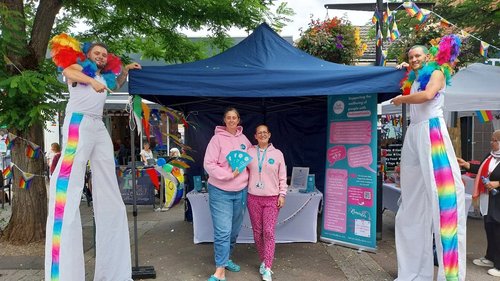
Endometriosis can affect every part of life: work, finances, relationships, self-esteem and mental health. Shout provides a vital safety net for those moments when everything feels too much.
Endometriosis is often misunderstood and dismissed. What advice would you give to those struggling?
Don't give up. Listen to your body - you know yourself better than anyone else. Severe pain is not normal. I'd encourage people to look at the NICE guidelines for endometriosis. There are clear steps and standards that medical professionals should follow, particularly around diagnosis and referral. Knowing the guidelines can really help you advocate for yourself.
And please remember: you are not alone, and it is not in your head.